A home is designed primarily for private living—sleeping, cooking simple meals, and resting in quiet solitude. When twelve to twenty guests arrive, everyday furniture arrangements immediately face structural stress. If visitors must squeeze sideways between a dining chair and a wall or step over an electric cable to access the garden patio, subconscious tension accumulates.
The goal of domestic room preparation is to eliminate micro-hesitations. When a guest can traverse your ground floor with a drink in one hand without fear of elbowing an unstable lamp, they relax completely.
The Entryway Threshold
The first ninety seconds of arrival dictate a guest's comfort for the remainder of the evening. If they enter into a crowded corridor blocked by family shoes, sports bags, and nowhere to lay down an umbrella, anxiety spikes immediately.
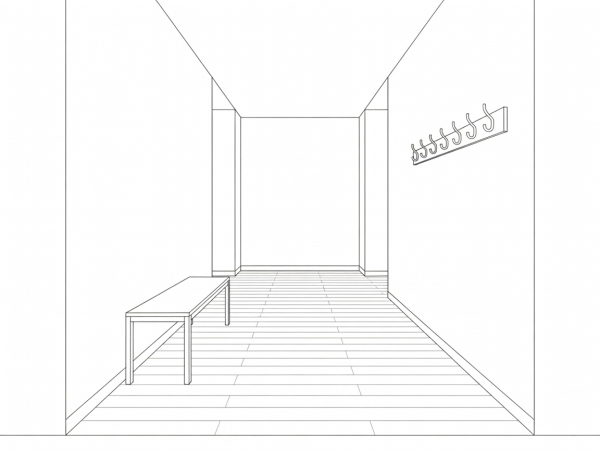
Strip your front entryway down to bare function two days prior to the event. Relocate all resident family footwear and daily winter coats into a bedroom closet. Introduce a sturdy coat rack, bench, or dedicated staging bed nearby with empty hangers ready.
Seating Architecture: Pods vs. Circles
One of the most persistent hosting mistakes is pushing every armchair and sofa outward against the walls to create a giant circular arena. While this appears to maximize floor space, it actually paralyzes dialogue: nobody wants to shout across a twelve-foot expanse to be heard by an entire room.
Instead, divide the living area into two distinct seating pods. An L-shaped corner with a loveseat and a small side stool creates one conversational harbor. Two armchairs facing an angled low window sill create another. Guests naturally gravitate toward smaller, lower-stakes vocal exchanges.
The Powder Room Audit
A neglected bathroom causes quiet guest embarrassment. Equip it systematically beforehand:
- Three fresh, dry hand towels hung within immediate arm reach of the sink
- A full bottle of liquid pump soap (never a wet bar of shared soap)
- Two visible spare toilet rolls placed openly on a shelf
- A discreet, emptied waste bin with a fitted liner
- A warm, continuous low-wattage lamp or candle rather than harsh overhead tube lighting
Acoustics & Thermal Balance
Physical atmosphere is felt before it is consciously analyzed by visitors:
- Lower indoor thermostats by 2 to 3 degrees Celsius before guests arrive
- Crack one upper hopper window slightly to maintain continuous fresh air turnover
- Place soft felt coasters on hard surfaces to absorb glassware clatter
- Keep music volume at a level where someone speaking softly can be heard without leaning in
- Curate an instrumental playlist with steady rhythm to prevent sudden loud orchestral jumps
Sightlines and Trash Management
Where do used cocktail napkins, toothpicks, and empty glasses travel during a three-hour celebration? If you don't place discreet waste receptacles and designated drop trays in the main social rooms, guests will inevitably leave dirty glasses on bookshelves, speaker boxes, and window ledges.
Position two small, attractive ceramic trays specifically marked for used glassware on secondary perimeter surfaces. Guests will imitate each other: once the first person nests an empty glass neatly on the tray, others will follow suit without needing instruction.